The Changing Landscape of Development: How Community Integration May Shape the Future of Commercial Ownership


The downtown areas and business districts of modern cities across the world are being reshaped in real time, and San Diego is no exception. Commercial real estate in a post-COVID world is no longer defined solely by office floors and operating hours. Instead, a growing number of owners are reimagining buildings as active contributors to community enrichment; innovative owners are building neighborhoods that support work, culture, entertainment, and daily routines in a single environment. This shift reflects deeper changes in how cities function, how people move through them, and how private development can influence long‑term urban policy goals.
At its core, this evolution signals a move away from single‑use commercial properties toward integrated environments that prioritize human connection, walkability, and sustained activity throughout the day and evening.
Downtown San Diego and the Momentum Toward Integration
San Diego’s downtown neighborhoods illustrate how quickly urban expectations have changed. Areas like Little Italy have evolved into dense, mixed‑use districts where housing, retail, dining, and public gathering spaces coexist within a compact footprint. The Gaslamp Quarter’s occasional street closures and pedestrian‑focused events further underscore a growing emphasis on people‑first design and activated public spaces.
For a current example, consider the recent acquisition of both 1 Columbia Place and 2 Columbia Place in central Downtown, a longtime commercial and business hub sitting just steps from the Civic Center and containing over 700,000 square feet of commercial space. The new owners have embarked on an ambitious and diverse model designed to holistically engage with its tenants; future plans include public art gallery spaces, a full floor dedicated to a global food court, and cultural celebrations such as a Japanese festival planned for September.
These changes reflect a broader recognition that foot traffic, vibrancy, and neighborhood identity are essential components to long‑term economic resilience. Commercial buildings located in city centers increasingly succeed not by standing apart from their surroundings, but by engaging with them.
As downtown San Diego continues to grow as a residential and cultural destination, commercial ownership models are adapting to meet that reality. Buildings that once catered primarily to daytime office use are being reconsidered in light of how people actually live, work, and socialize in urban environments.
From Isolated Buildings to Mixed‑Use Ecosystems
For decades, development patterns in the United States favored separation of uses. Offices were distinct from housing, retail was clustered elsewhere, and cultural activity often required deliberate travel. That model is now giving way to a more integrated approach.
Mixed‑use development, whether vertical or horizontal, allows multiple aspects of daily life to occur within close proximity. Retail below offices or housing, shared gathering spaces, and on‑site amenities reduce friction in everyday routines and encourage people to spend more time within their neighborhoods.
This model is increasingly attractive in urban cores, where land is limited and demand for convenience is high. Rather than viewing ground floors as purely transactional spaces, owners are activating them with food, art, and programming that draws people in regardless of whether they work in the building. The result is a more dynamic environment that supports both commercial performance and community engagement.
Global Parallels and the Rise of Urban Micro‑Communities
Internationally, this approach is well established. In many cities across China and Japan, large residential and commercial complexes function as self-contained micro‑communities. Groceries, medical services, transit access, childcare, and employment are often located within the same development. Residents can meet many daily needs without relying heavily on car travel.
While regulatory frameworks and urban form differ, the underlying concept resonates in California cities facing congestion, climate pressures, and housing constraints. Bringing daily essentials closer together reduces travel distances, supports transit use, and creates more resilient neighborhoods.
Developments that integrate commercial, cultural, and social functions can begin to resemble these global models, even when adapted to local context. In San Diego, this trend suggests a future where commercial buildings are less about isolation and more about participation in the surrounding urban fabric.
Climate, Mobility, and Policy Implications
The implications of this shift extend beyond real estate performance. Cities and states are increasingly focused on reducing vehicle miles traveled, meeting climate goals, and improving quality of life. Community‑integrated development supports these objectives by encouraging walking, shortening trips, and making transit‑oriented living more practical.
Importantly, private development can advance these policy goals without waiting for sweeping regulatory change. Within existing zoning and land use frameworks, owners can activate ground floors, host cultural programming, and design spaces that invite public use. Over time, these projects can influence how policymakers think about density, parking requirements, and mixed‑use incentives.
In this way, the private sector becomes an informal testing ground for urban policy. Successful examples demonstrate that reduced car dependence and increased neighborhood engagement are not just theoretical ideals, but viable development strategies.
What This Means for the Future of Commercial Ownership
As work patterns continue to evolve and downtowns adjust to changing demand, commercial ownership will increasingly be measured by adaptability and relevance. Buildings that support connection, convenience, and community life are better positioned to remain competitive over the long term.
Recent projects such as 1 and 2 Columbia Place reflect this broader movement, showing how intentional integration and programming can reshape how a commercial building functions within its neighborhood. More broadly, it points toward a future in which commercial properties are not passive backdrops, but active participants in urban life.
All signs point to the future of development lying in integration, not separation. As San Diego continues to grow and densify, projects that align private investment with public experience will play an increasingly important role in shaping the city’s next chapter.
Need a Consult?
Contact Hoffman Forde today at (619) 614-2172 or intake@hoffmanforde.com. Our firm’s attorneys are versed in all aspects of real estate law.
Disclaimer
The information in this post is considered attorney advertising under applicable California law. The contents of this post are for informational purposes only and do not constitute legal advice. The information may be incomplete or out of date. No representations, testimonials, or endorsements on this website constitute a guarantee, warranty, or prediction regarding the outcome of any legal matter.

Few situations are more stressful than having more debt than you can manage. At those times, declaring bankruptcy might be your best option, but it’s a complicated process. Before you go down that road, you should understand what bankruptcy is and whether or not you need a bankruptcy attorney. Hiring a bankruptcy attorney might seem 100% […]

A home sale or purchase may be the largest financial transaction we will ever make. With all the work it takes to find the right home, negotiate the price, and procure a mortgage (or find a buyer if selling your home), the actual transfer of funds and title seems like a mundane affair. The orderly […]
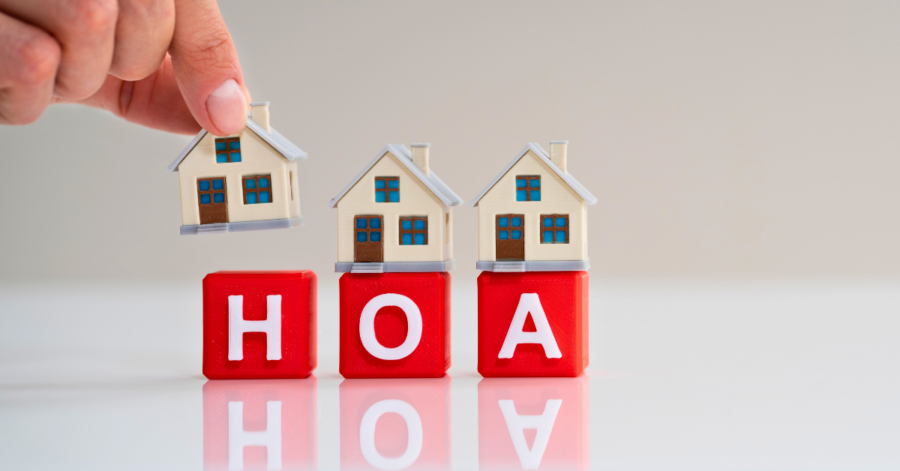
Homeowners Associations (HOAs) are meant to preserve neighborhood standards, but sometimes they go too far. Whether it’s an unexpected fine, a sudden notice of violation, or rules that seem unfairly enforced, it’s important to know that homeowners in California have rights—and options. In this post, we’ll break down what “overstepping” can look like, how to […]